3 Surprising Things We Learned through User Shadowing
User Shadowing is one of the most useful qualitative user research studies we conduct. User Shadowing is when a UX designer observes a user as they handle their daily tasks within their natural work environment.
We often conduct user shadowing as part of our EVIDENT™ research process. It helps us understand users’ goals, priorities, and pain points as they relate to the software or application we’re designing.
We aim to be like a fly on the wall, and observe people using the software as if we were not there. We always learn something we were not expecting. Here are three anecdotes:
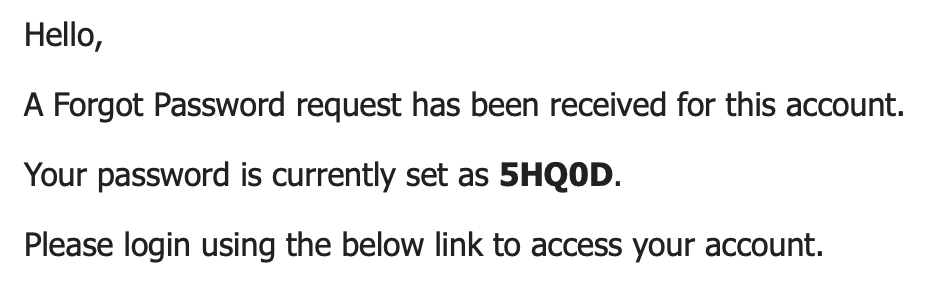
A period broke password resets
When users forgot their password, they were sent a temporary password via email with a period (.) after it. Users were copy/pasting the password, plus the period, into the password field on the website, and, of course, receiving an error stating that the temporary password was incorrect.
How can something so tiny be so frustrating?
An insurance agency was losing business to competitors whose quoting application was easier to use.
We shadowed insurance agents for our Selective Quoting System Redesign project. When asked to quote a Business Owner’s policy, one of them said:
I don't normally think of Selective for BOPs because The Hartford and Travelers are simply much faster and easier to quote.
Mind-blowing. Certainly makes the case for redesigning for simplicity.
Slow checkouts made residents "late"
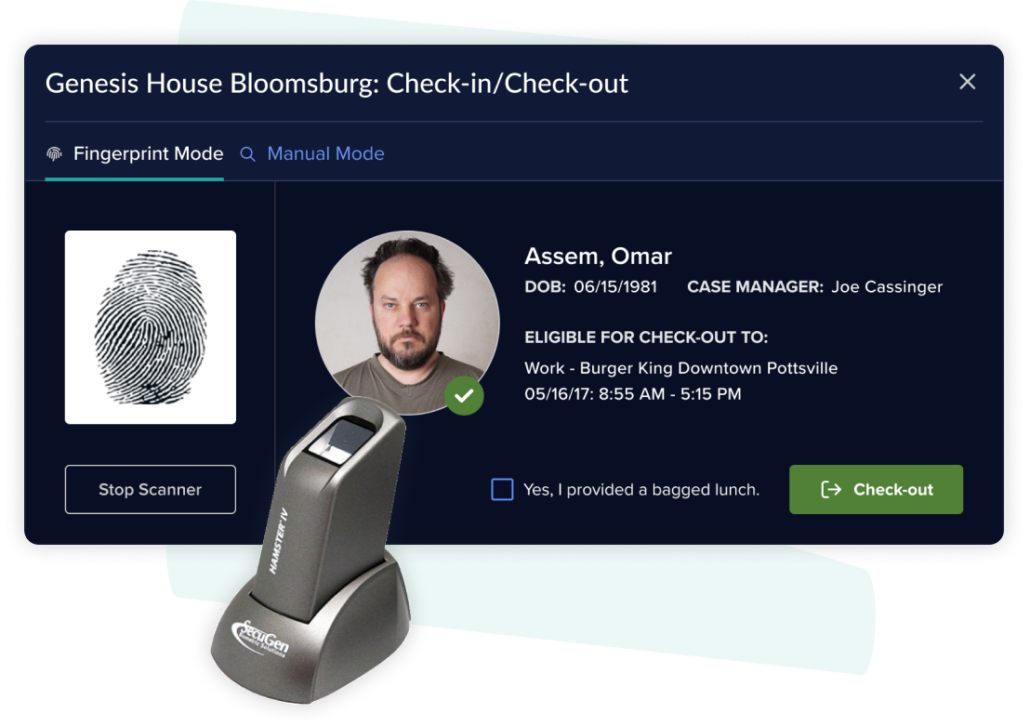
Firetree is a drug rehabilitation and residential re-entry center. Their residents are usually required to stay in the facility unless going to work, a medical appointment, or approved furlough. A monitor must record when residents enter or leave the facility, and residents can be penalized for being late. During user shadowing, we found that this process took so long that residents were sometimes erroneously marked late, or that they were missing public transportation to work or medical appointments. What looked like legal violations was actually just a software bug. At our recommendation and using our design, they implemented a biometric fingerprint scanner than made check-ins and check-outs much faster.
What we learn from user shadowing
These are just a few anecdotes of what we’ve found through user shadowing. Beyond these, we have also found:
Post-its everywhere, explaining how to do things in the software
An entire OneNote knowledge base a user created
Hacks, workarounds, and work outside the system
Insight into competitor software – what they do well, what we can do better
What they ask AI agents about the software or data output from the software
Users don’t tell you about the period in the reset password email, the post-its all over their monitor, or the 25 other tabs they have open. You have to see it for yourself.